Types of deep cleansing face masks and how to use them
Types of deep cleansing face masks and how to use them
Do you struggle with Deep cleansing face masks are ideal for acne, dry skin or blocked pores. Read the different formulas of cleansing masks & the ingredients to look for.? If the answer is yes, chances are you've tried cleansing face masks. However, have you considered which type of cleansing face mask is best for you? It's essential to know which ingredients to look for, the different formulas of cleansing masks available and their benefits. We've put together a useful guide so that you can find the best option for your skin.
Click on a link to jump to that section:
Find out whether deep cleansing face masks are the best option for your skin concern.
The ingredients you should look for in a deep cleansing face mask, with some examples of popular cleansing masks.
Find out the different formulas of cleansing face masks that you can choose from, with guidance on how to apply each.
Read our top tips on applying a cleansing mask to ensure you don’t make mistakes.
Find out who should be cautious about using deep cleansing masks.
Frequently asked questions about how to use deep cleansing face masks.
Are deep cleansing face masks right for you?
Not all deep cleansing face masks offer the same benefits. For example, if you want to clear your skin of impurities, you'll want a clay mask to get to the root of your pores. Let's look at the purposes of face masks below.
Treating acne
95% of people are affected by acne at some point in their lives, so you're not alone. Many things, including hormones and stress, trigger acne, but generally, it's due to clogged pores. Look for deep cleansing face masks to apply once a week as part of a cleansing routine.
You can find more information on how to treat acne here.
Unclogging pores
If you're looking for a face mask that helps to unclog pores, try a detoxing face mask to help clear and cleanse your skin.
Remove dead skin cells
If you want to remove dead skin cells, you'll need a cleansing face mask with an exfoliant. Skin naturally renews itself every 30 days, so you only need a gentle exfoliant.
What to look for in a deep cleansing mask
For deep cleansing face masks, look for products that use clay and charcoal as their base ingredients. These natural resources are perfect for cleansing the skin as they unclog pores and remove toxins thanks to their absorbing and purifying properties.
Other ingredients to look for include:
Kaolin- a fine clay that's great for oily skin. It's less drying than Bentonite clay, so if you have dry skin, this will be important for your skincare routine.
Glycerin- a classic staple ingredient. Glycerin is a fantastic natural moisturiser, just what your skin needs during a deep cleaning mask.
Panthenol- a moisturiser with pro-vitamin B5 and anti-inflammatory properties to help soothe and calm irritated skin.
Skin cleansing masks often more than one function, such as brightening the skin as well as unclogging pores. Others can help to mattify the skin and improve its texture. Here are some examples of effective cleansing face masks:
L'Oreal Paris Pure Clay Glow Mask 50ml

- Enriched with Red Algae extract
- Creamy texture
- Illuminating formula
- Exfoliating clay mask
- Contains beads
- Relaxing fragrance
Vichy Normaderm 3-in-1 Cleansing Scrub + Mask 125ml
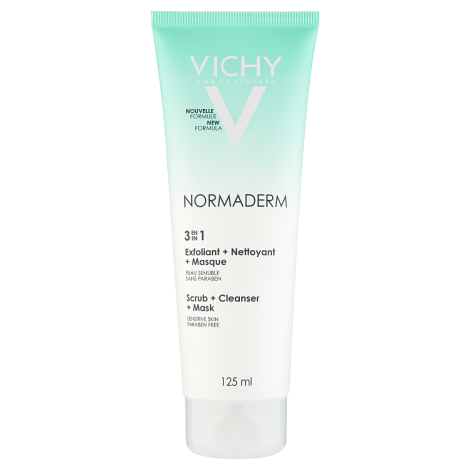
- Contains no parabens
- Contains no alcohol
- 3-in-1 Formula
- Unclogs pores
- Mattifies skin
- Suitable for sensitive skin
- No Soap
My Clarins Clear-Out Blackhead Expert 50ml
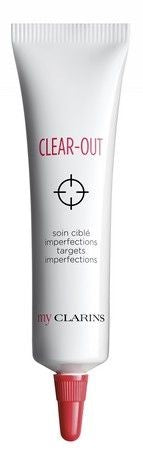
- Purifies and mattifies the skin
- Tightens pores and improves the skin's texture
- Visibly absorbs excess sebum
Types of cleansing face masks and how to use them
Below are different types of face masks and how to use them:
Overnight cleansing masks
Overnight masks are best for long-lasting, deep cleansing. These face masks work as a sealant, trapping all the goodness from the mask into your skin.
Smooth a thin layer over your face, just as you would a moisturising cream, right before bed.
Gel cleansing masks
Generally infused with collagen, gel masks are perfect for intensive skin recovery and cleansing.
Spread the gel evenly using a brush or your fingertips. Be careful around your eyes and lips.
Find out more about using gel masks in our full guide to gel masks.
Paste formulas
Paste formulas tend to be thicker than traditional cleansing face masks and contain ingredients that absorb into the skin for a deep moisturising effect. They are perfect for those with sensitive or irritated skin.
Use a brush or your fingertips to create an even layer on your skin.
Cleansing Mask Application - Top Tips
Here are some tips to remember to ensure you don’t make mistakes:
- Make sure your skin is clean and dry before applying any mask.
- Only leave a face mask on for the advised time.
- Do not use a mask more than three times a week.
- Always moisturise after using a facial mask.
- Always apply with clean hands.
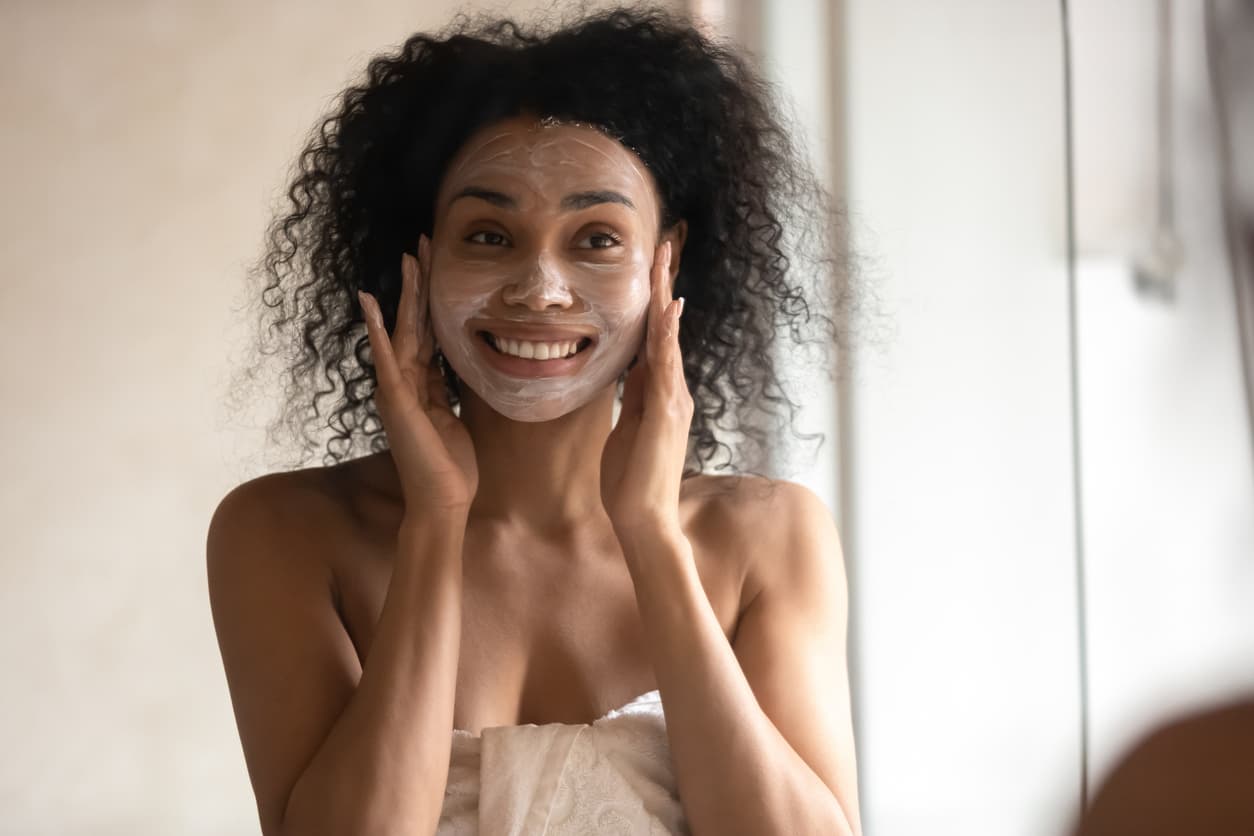
When choosing a face mask, the ingredients should guide your decision. Knowing what type of face mask is best for your skin type could save you money in the long-run.
You can shop our full range of face masks here.
Who should avoid cleansing face masks?
Given the range of face masks available, there are few limitations on what you can use. Do your research and find the right face mask for your skin type.
However, if you suffer from dry skin, you shouldn't do more than one face mask a week and always opt for moisturising masks instead of a clay mask as these may dry out your skin further.
Cleansing face masks: FAQ
How are sheet masks different from cream masks?
Sheet masks are made using paper or cloth that is soaked in a serum (be it moisturising or revitalising). Sheet masks tend to give a quicker, more intense boost to the skin than cream masks.
Should you use coconut oil for acne?
Dermatologists have found that coconut oil has anti-microbial, anti-fungal and anti-inflammatory properties which can help to reduce the impact of acne. However, coconut oil can also clog pores, and it isn't for every skin type. If you have very dry skin or oily skin, you may find it useful. It's best to try a patch test and see how your skin reacts.
Should you exfoliate before or after cleansing?
Cleansing first allows you to start the exfoliation process on a blank canvas; this means the exfoliant can get into your pores so that you get the best results.
You can shop our range of exfoliators here.
Should you apply cleansing masks before sleeping or in the morning?
Generally, a cleansing mask is best applied in the evening so it can cleanse away the impurities of the day. Always apply to clean and dry skin.
Can you use a cleansing face mask in the shower?
Deep cleansing face masks are best used after a warm shower as the heat from the water will have helped to open your pores and will maximise the effects.
Can you use a cleansing mask every day?
Most cleansing face masks should not be used more than three times a week so that your skin doesn't become irritated. Always read the instructions before use.


